Nishita Mohta
The past and the present are always in a constant state of negotiation, and nowhere is this dialogue more audible—or more strained—than on the streets of Fontainhas.
To look at the “Past” is to see a neighborhood defined by connection. Features like the balcao—that iconic architectural handshake between the private home and the public street—were designed specifically to facilitate conversation and community. It is a matter of immense pride for both Goa & the nation that Panjim possesses this “living heritage”—a tapestry of stories, crafts, and homes that offer a distinct sense of place.
But as we can see, this status has become a double-edged sword for residents because the “Present” tells a different story. Fontainhas has caught the eye of every traveler, yet these visitors often arrive with plenty of enthusiasm but no direction. Not every visitor seeks a formal, time-boxed heritage walk, and the result is a haphazard wandering. They are looking for a connection they don’t know how to find. Lacking context, tourists do what they see online: they pose in front of private windows, lean against freshly painted walls, and inadvertently disturb the privacy of the families living within these historic gems. It’s evident that the burden of “disciplining” tourists falls on the residents themselves. And it’s natural that this creates a cycle of friction and frustration that benefits no one.
The solution is not to try & keep people out, but to invite them in properly.
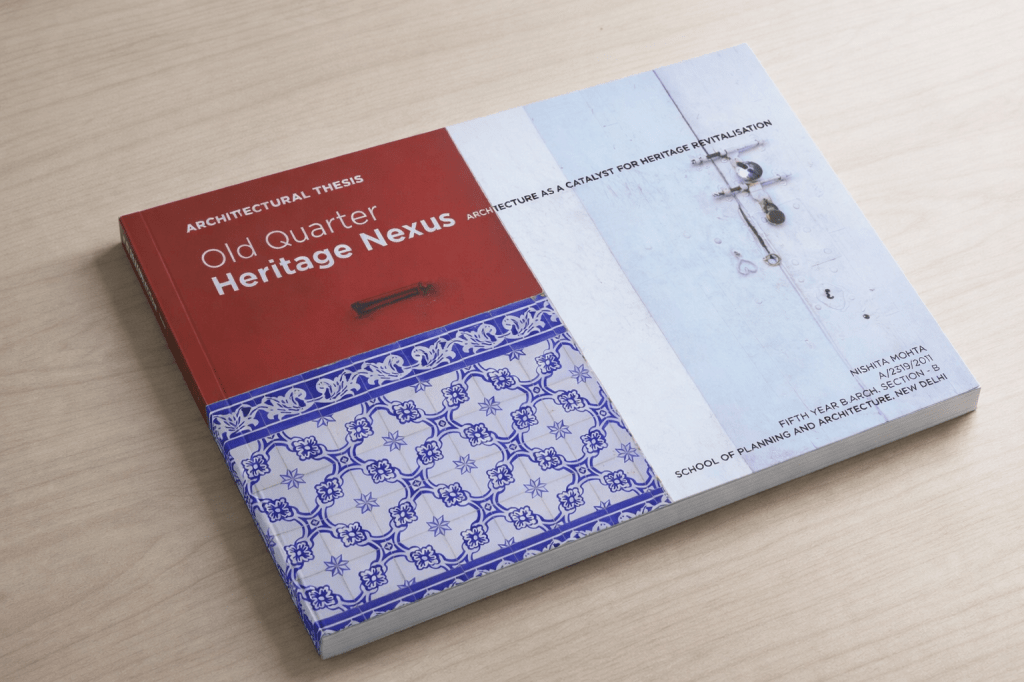
Back in 2015-2016, as a final-year architecture student, I had taken up research on the delicate intersection of tourism and urban heritage, with Fontainhas as a site for deeper study, and the friction we see today already felt like an inevitability. My study was rooted in a multi-stakeholder approach, analysing the diverging perspectives of residents, travellers and experts in conservation and spatial design. By examining heritage through these diverse lenses—social, architectural, and ecological—I sought to move beyond superficial tourism toward a model of authentic representation. That research led me to a singular conclusion: a Heritage Interpretation Centre is the essential ‘missing link’ for a neighborhood like Fontainhas.
Unlike a traditional museum, which focuses on collecting and cataloging the past, a Heritage Interpretation Centre is a “living” institution. It is designed to disseminate knowledge and foster an emotional connection to a site. It provides visitors with a “holding space”—a place to go, to learn, and to understand the etiquette of a residential heritage zone before (and if at all) they ever set foot on a narrow lane.
To ensure this center serves both the people and the place, its development must be guided by the six principles of the ICOMOS International Cultural Tourism Charter (1999):
- Principle 1: Conservation should provide responsible, well-managed opportunities for the host community and visitors to experience heritage firsthand.
- Principle 2: The dynamic relationship between heritage and tourism must be managed sustainably for future generations.
- Principle 3: Planning should ensure the visitor experience is worthwhile, satisfying, and enjoyable.
- Principle 4: Host communities must be involved in the planning process.
- Principle 5: Tourism and conservation activities should directly benefit the host community.
- Principle 6: Promotion programs must protect and enhance natural and cultural characteristics.
In the context of Panjim’s heritage precinct, guided by the ICOMOS principles for sustainable cultural tourism, such a centre would serve five vital roles:
- Storytelling Hub: Utilizing multimedia and live presentations to explain the ecology, history, and cultural nuances of the lifestyle.
- Space for Stillness: A designed environment of calm where visitors can soak in the atmosphere without encroaching on a resident’s front door.
- Community-Led Revenue: Spaces for home cooks and local artisans to showcase their craft, ensuring that tourism directly benefits the host community.
- Indoor Performance Venue: A curated stage for Goan music and dance, allowing visitors to “sense” the culture rather than just “look” at it.
- Artistic Gallery: A rotating exhibition space for local students and professionals to display work inspired by the city, which visitors can purchase.
We do not need to build anew. In my opinion, fresh construction goes against the very intention of heritage appreciation in a context like this. The area is dotted with “brownfield” sites and abandoned structures on the periphery of the residential quarters that are crying out for revitalisation. By adopting a model of adaptive reuse, we can protect our built heritage while giving it a modern purpose and shifting crowds away from the narrow & intimate residential lanes.
While this concept first took shape in my architectural thesis a decade ago, I share it now as an open-source starting point for others. I have no professional stake in this proposal. Rather, as a design thinker and heritage enthusiast, I believe that the value of an idea lies in its ability to be adapted and improved by others. I am putting these principles forward in the hope that they might serve as a catalyst for anyone—be it the government, local collectives, architects or entrepreneurs—to take, refine, and bring to life for the benefit of urban heritage. A plan like this can not only solve an urgent problem for the neighbourhood, but become benchmarks for urban heritage interpretation across the country & world.
In Goa, I have seen successful glimpses of this immersive approach to Heritage Interpretation at places like the Sahakari Spice Farm (for natural heritage) and the Big Foot Museum (for cultural heritage). It is time we brought that same sensitivity to the heart of Panjim, with a Heritage Interpretation Centre for built & cultural heritage of the area. Our goal should not be to turn Fontainhas into a silent museum, but to ensure it remains a thriving neighborhood that is appreciated and, more importantly, respected across the globe for what it represents.
By creating a bridge between the curiosity of the visitor and the privacy of the resident, we can transform heritage into a shared delight. Let us ensure that when people leave Fontainhas, they carry away something of consequence—a genuine understanding of the rich urban heritage that exists here, rather than just a collection of pixels.
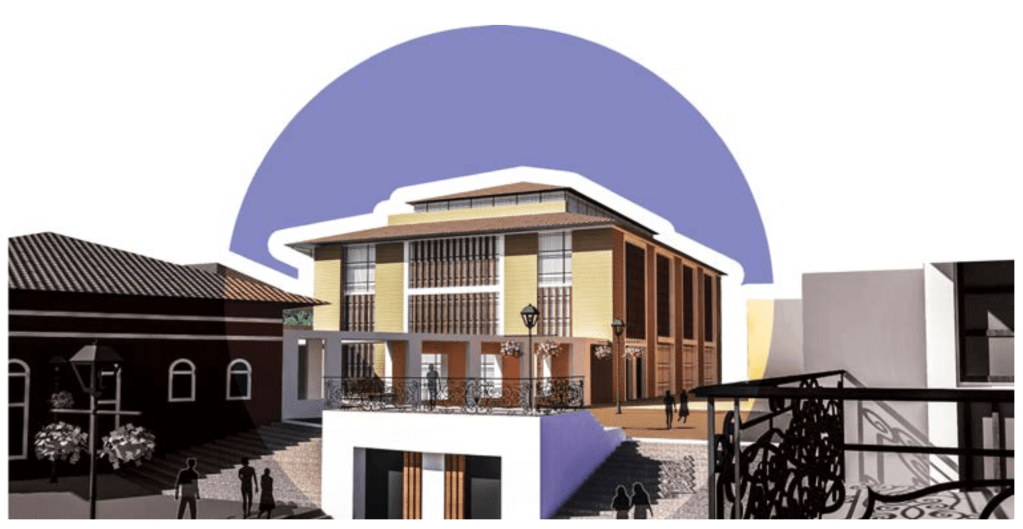
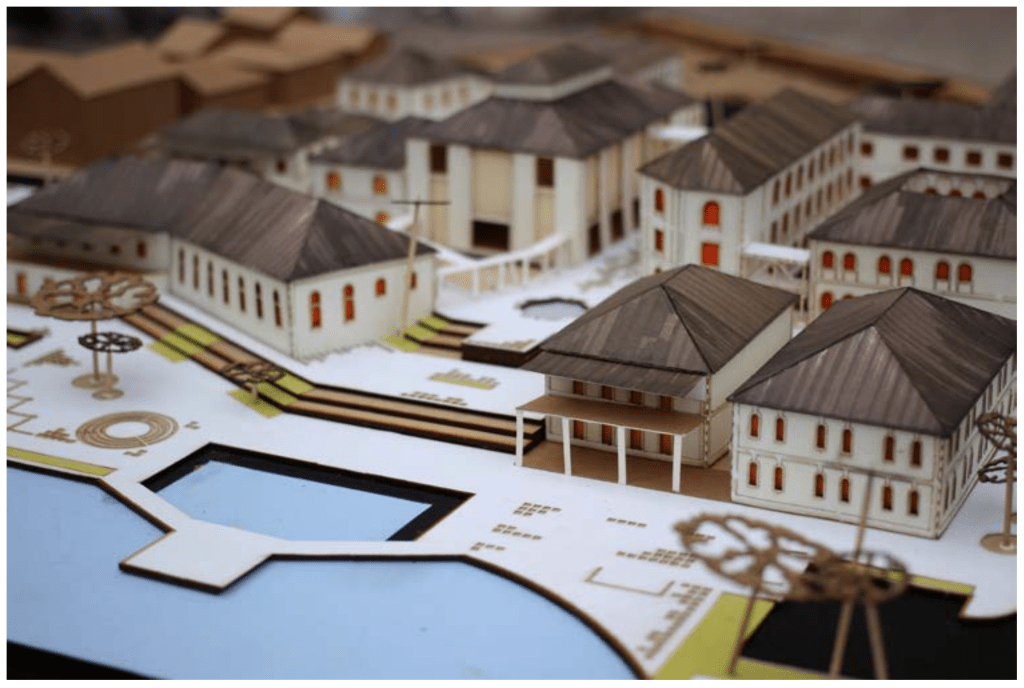
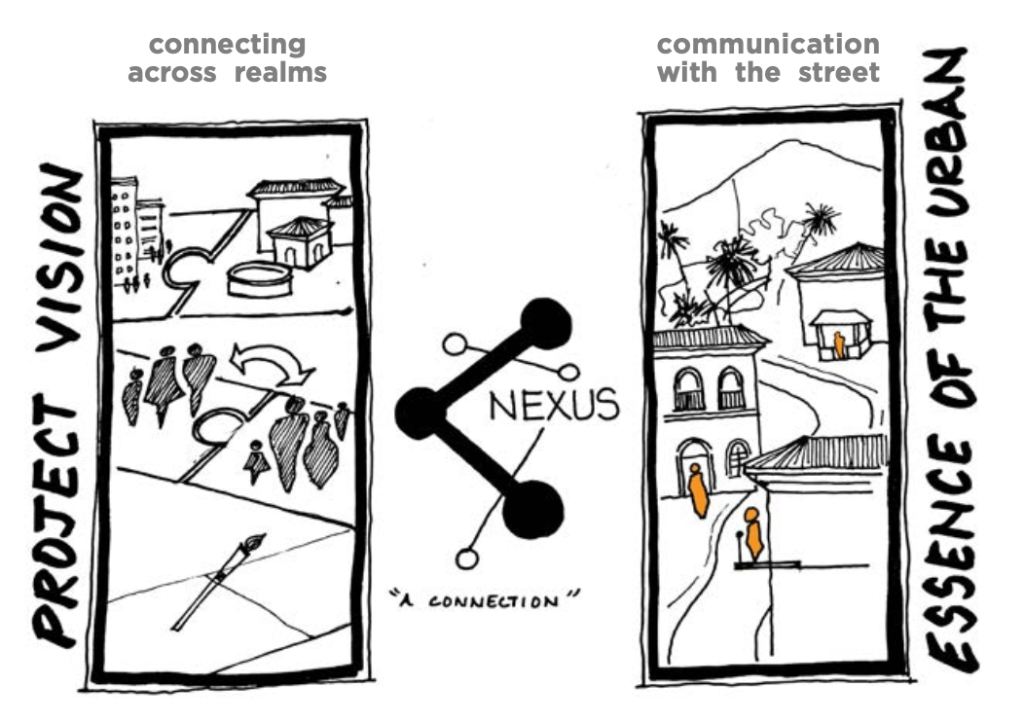
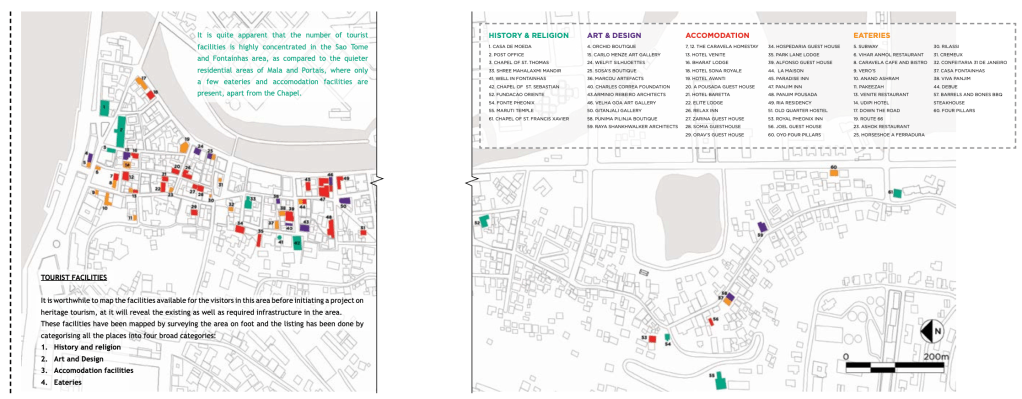
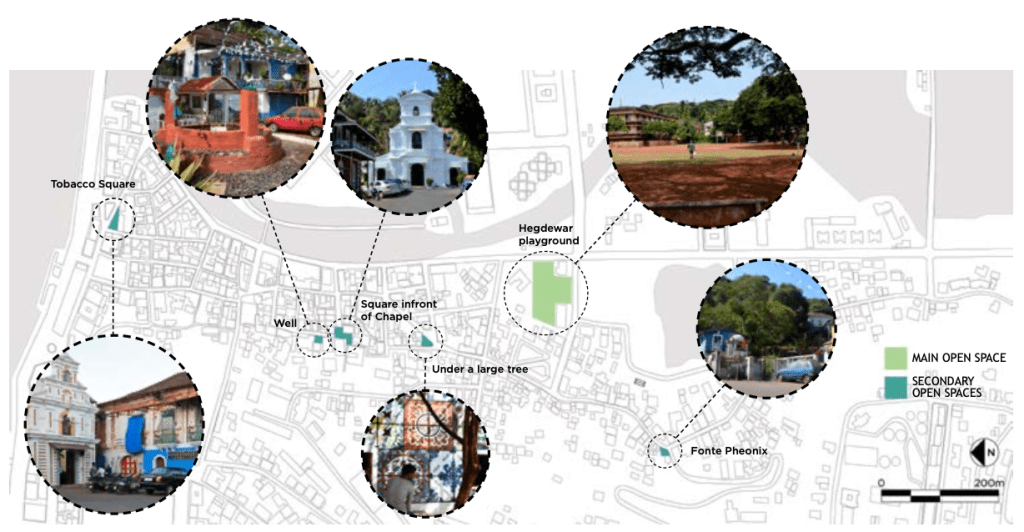
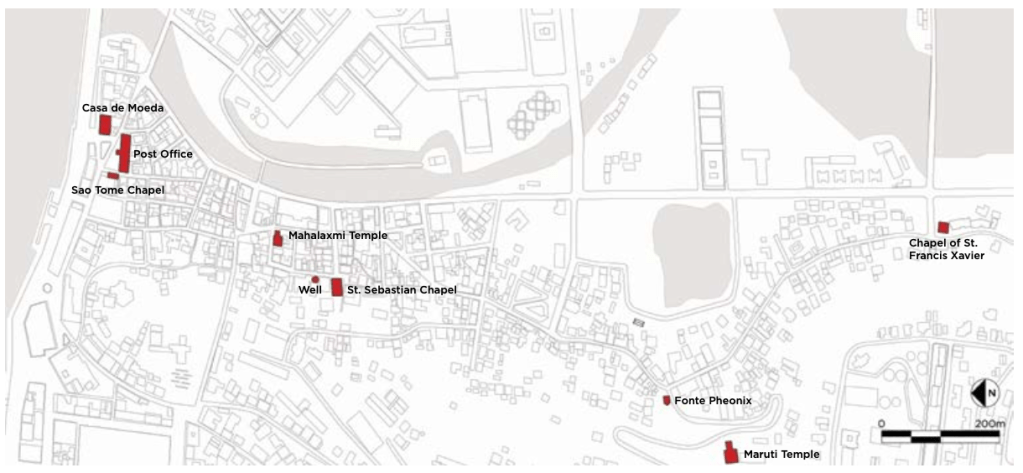
Some visuals from the research done in 2016:
 nishita mohta